انواع پلی اتيلن

پلي اتيلن چیست؟

پلی اتیلن سنگین

(High-density polyethylene)(HDPE)

 پلی اتیلن از نفت حاصل مي شود. تقريبا هر ۱٫۷۵ كيلوگرم نفت خام يك كيلوگرم پلي اتيلن سنگين توليد مي كند که این پلی اتیلن سنگین قابليت بازیافت را دارد. و باید گفته شود که عمومی ترین و پرمصرف ترین و شاید اولین نوعی از پلاستیک ها که به وجود آمد پلی اتیلن سنگین (HDPE) بود.زنجيره مولكولي در اين نوع پليمر ، فشرده است كه همين عامل، باعث افزايش دانسيته آن ميشود. لذا انعطاف پذيري به شدت كاهش مييابد. اين نوع پليمر گرچه مقاومت ضربه اي كمتري نسبت به پلي اتيلن سبك دارد اما مقاومت آن در برابر مواد شيميايي همانند مقاومت آن در برابر تنشهاي شكننده محيطي خوب است . لذا از اين نوع پليمر در انواع محصولات تجارتي مانند ظروف نگهدارنده سوخت، صندلي‌هاي مورد استفاده در فضاي باز ، اسباب‌بازيها، جامه‌دانها، لوله‌ها ی انتقال آب فشار قوی , لوله انتقال فاضلاب و مجراها استفاده مي‌شود. نوعي ديگر از پلي‌اتيلن با دانسيته بالا با نام (UHMWPE) وجود دارد كه البته در حجم كمتري متداول است. اين نوع پليمر، ستخت‌تر و سفت‌تر از ساير انواع پلي‌اتيلن است.
پلي اتيلن اولين بار بطور اتفاقي توسط شيميدان آلماني “Hans Von Pechmanv” سنتز شد. او در سال ۱۸۹۸ هنگام حرارت دادن دي آزومتان ، تركيب مومي شكل سفيدي را سنتز كرد كه بعدها پلي اتيلن نام گرفت.
پلی اتیلن برای اولين بار به روش سنتز صنعتي ,بطور تصادفي توسط “ازيك ناوست” و “رينولرگيسون” ( از شيميدان‌هاي ICI ) در ۱۹۳۳ كشف شد. اين دو دانشمند با حرارت دادن مخلوط اتيلن و بنزالدئيد در فشار بالا ، ماده‌اي موم‌ مانند بدست آوردند.

. از انواع مواد تولیدی این محصولات می توان لوله آبرسانی ,لوله‌های فاضلابی و صنعتی ,ساخت اسباب بازی,لوازم ورزشی, فيلم پلي اتيلن سنگين،ظروف آب معدنی و نوشابه خانواده و . . . را نام برد

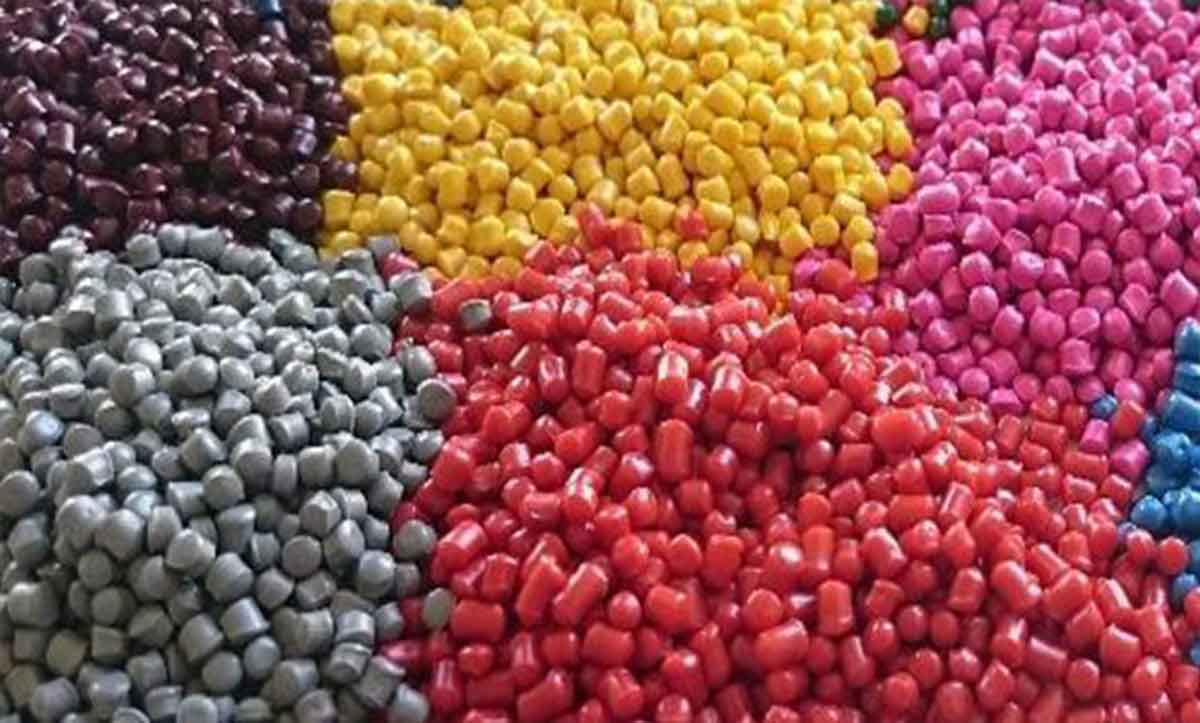
پلی اتیلن سنگین به صورت اولیه یکدست، خالص و لیکن غیرشفاف است، رنگی نبوده و در صورت لزوم به آنها رنگدانه اضافه می شود. این مواد در رنگ های سفید، قرمز، آبی، زرد، سبز، مشکی و حتی گاهی به رنگ مواد خام خود استفاده می شوند. عایق الکتریسیته بوده و در برابر حرارت مستقیم از بین خواهند رفت.

سایر اسامی: اتن هموپليمر, اتيلن هموپليمر, اتيلن پليمر

پلي اتيلن سبك (Poly ethylene low density)(LDPE)

سایر اسامی: اتن هموپليمر, اتيلن هموپليمر, اتيلن پليمر
اين پلي‌ اتيلن داراي زنجيري شاخه‌دار است بنابراين زنجيرهاي LDPE نمي‌توانند بخوبي با يكديگر پيوند برقرار كنند و داراي نيروي بين مولكولي ضعيف و استحكام كششي كمتري است. اين نوع پلي ‌اتيلن معمولا با روش پليمريزاسيون راديكالي توليد مي‌شود. از خصوصيات اين پليمر ، انعطاف‌پذيري و امكان تجزيه بوسيله ميكروارگانيسمها است. پلي اتيلن به لحاظ فشردگي كم و پايين مولكولي از دانسيته پايين برخوردار است كه همين امر، باعث افزايش انعطاف­پذيري آن مي­شود اين خاصيت باعث شده كه بيش از پنجاه درصد از توليد اين محصول در ساخت فيلم و ورق جهت مصرف در روكش­هاي طلقي شفاف، آسترهاي بسته­بندي، كاورها و چمدانها مصرف گردد. همچنين جهت ساخت ظروفي مانند بطريهاي تحت فشار از اين نوع پليمر استفاده مي­شود . مصرف ديگر پلي اتيلن سبك، عايق­كاري سيم و كابل و روكش كاغذ مي­باشد. پلي اتيلن اولين بار بطور اتفاقي توسط شيميدان آلماني “Hans Von Pechmanv” سنتز شد. او در سال ۱۸۹۸ هنگام حرارت دادن دي آزومتان ، تركيب مومي شكل سفيدي را سنتز كرد كه بعدها پلي اتيلن نام گرفت. اولين روش سنتز صنعتي پلي اتيلن بطور تصادفي توسط “ازيك ناوست” و “رينولرگيسون” ( از شيميدان‌هاي ICI ) در ۱۹۳۳ كشف شد. اين دو دانشمند با حرارت دادن مخلوط اتيلن و بنزالدئيد در فشار بالا ، ماده‌اي موم‌مانند بدست آوردند. علت اين واكنش وجود ناخالصي‌هاي اكسيژن‌دار در دستگاه‌هاي مورد استفاده بود كه بعنوان ماده آغازگر پليمريزاسيون عمل كرده بود. در سال ۱۹۳۵ “مايكل پرين” يكي ديگر از دانشمندهاي ICI اين روش را توسعه داد و تحت فشار بالا پلي‌اتيلن را سنتز كرد كه اين روش اساسي براي توليد صنعتي LDPE در سال ۱۹۳۹ شد.
موارد مصرف: ماده توليد لوله هاي پلي اتيلني ، ساخت ظروف با حجم كم ، ساخت ظروف خانگي ، اسباب بازي ، روكش سيم هاي برق و مخابرات ، فيلم ، قطعات مختلف اتومبيل ، لوازم ورزشي و آزمايشگاهي و قطعات صنعتي

ال ال دي پي ئي(LLDPE)

سایر اسامی: اتن هموپليمر, اتيلن هموپليمر, اتيلن پليمر

دانسيته اين نوع پلي‌اتيلن از پلي‌اتيلن سبك نيز كمتر مي‌باشد. اين نوع پليمر، در مقابل پارگي و سوراخ شدن مقاومت، استحكام وكشش بهتري را نشان مي‌دهد. آمريكاي شمالي، آسيا، پاسيفيك به جز ژاپن و اروپاي غربي به ترتيب بزرگترين توليد كنندگان پلي‌اتيلن در جهان محسوب مي‌شوند. توليد اين پليمر در سال ۱۹۹۸بالغ بر ۹/۱۰ ميليون تن بود كه با رشد ۲/۶ درصدي درسال ۲۰۰۳ به ۸/۱۴ ميليون تن رسيد و پيش‌بيني مي‌شود كه در سال ۲۰۰۸ اين رقم به ۵/۱۹ ميليون تن درسال برسد. اما چيزي كه جالب به نظر مي‌رسد . اين است كه پلي‌اتيلن سبك خطي به دليل ويژگيهاي منحصر بفردش چندسالي است كه مورد توجه قرار گرفته و روند رو به رشدي را در توليد طي مي‌كند. پلي اتيلن اولين بار بطور اتفاقي توسط شيميدان آلماني “Hans Von Pechmanv” سنتز شد.

او در سال ۱۸۹۸ هنگام حرارت دادن دي آزومتان ، تركيب مومي شكل سفيدي را سنتز كرد كه بعدها پلي اتيلن نام گرفت. اولين روش سنتز صنعتي پلي اتيلن بطور تصادفي توسط “ازيك ناوست” و “رينولرگيسون” ( از شيميدان‌هاي ICI ) در ۱۹۳۳ كشف شد. اين دو دانشمند با حرارت دادن مخلوط اتيلن و بنزالدئيد در فشار بالا ، ماده‌اي موم‌مانند بدست آوردند. علت اين واكنش وجود ناخالصي‌هاي اكسيژن‌دار در دستگاه‌هاي مورد استفاده بود كه بعنوان ماده آغازگر پليمريزاسيون عمل كرده بود. در سال ۱۹۳۵ “مايكل پرين” يكي ديگر از دانشمندهاي ICI اين روش را توسعه داد و تحت فشار بالا پلي‌اتيلن را سنتز كرد كه اين روش اساسي براي توليد صنعتي LDPE در سال ۱۹۳۹ شد.

موارد مصرف: انواع فيلم ، كشاورزی

خواص فیزیکی و شیمیایی:
Density: 0.92 g/cm3 / Surface hardness: SD48 Max. / operating temp: 50 °C / Melting Temp: Range 120 to 160 °C / Mould Shrinkage: 3% / Mould temp. range 20 to 60 °C

روشهای تولید : واكنش پليمرازيسيون اتيلن با زنجيره طويل الفين
توسط |2020-02-10T06:37:25-01:00فوریه 10th, 2020|اخبار|بدون دیدگاه

Share This Post With Others!

What is polyethylene?
Heavy polyethylene
(High-density polyethylene) (HDPE)

Polyethylene is obtained from oil. Approximately every 1.75 kg of crude oil produces one kg of heavy polyethylene, which is recyclable. And it must be said that the most common and most widely used and perhaps the first type of plastic that was created was heavy polyethylene (HDPE). The molecular chain in this type of polymer is compact, which increases its density. Therefore, flexibility is greatly reduced. Although this type of polymer has less impact resistance than lightweight polyethylene, its resistance to chemicals is as good as its resistance to brittle environmental stresses. Therefore, this type of polymer is used in a variety of commercial products such as fuel containers, outdoor chairs, toys, luggage, high pressure water pipes, sewer pipes and ducts. There is another type of high density polyethylene called UHMWPE, which is less common. This type of polymer is harder and harder than other types of polyethylene.
Polyethylene was first synthesized by chance by the German chemist Hans Von Pechmanv. In 1898, while heating diazomethane, he synthesized a white waxy compound later called polyethylene.
Polyethylene was first discovered by industrial synthesis by chance in 1933 by Azic Navest and Rinnollergison (ICI chemists). The two scientists obtained wax-like substances by heating a mixture of ethylene and benzaldehyde at high pressure.

. The types of materials used in these products include water supply pipes, sewage and industrial pipes, making toys, sports equipment, heavy polyethylene film, mineral water containers and household drinks. . . Named

Heavy polyethylene is initially uniform, pure, but opaque, non-colored, and pigments are added if necessary. These materials are used in white, red, blue, yellow, green, black and sometimes even the color of their raw materials. They are electrical insulators and will be destroyed by direct heat.

Other names: ethylene homopolymer, ethylene homopolymer, ethylene polymer

Polyethylene low density (LDPE)

Other names: ethylene homopolymer, ethylene homopolymer, ethylene polymer
This polyethylene has branched chains so LDPE chains can not bond well together and have weak intermolecular strength and less tensile strength. This type of polyethylene is usually produced by radical polymerization. One of the properties of this polymer is its flexibility and the possibility of decomposition by microorganisms. Polyethylene has a low density in terms of low and molecular density, which increases its flexibility. This property has led to more than fifty percent of the production of this product in the manufacture of films and sheets for use in transparent gold-plated coatings, packing liners. , Covers and suitcases to be consumed. This type of polymer is also used to make containers such as pressurized bottles. Other uses are lightweight polyethylene, wire and cable insulation, and paper wrappers. Polyethylene was first synthesized by chance by the German chemist Hans Von Pechmanv. In 1898, while heating diazomethane, he synthesized a white waxy compound later called polyethylene. The first method of industrial synthesis of polyethylene was accidentally discovered in 1933 by Azic Navest and Rinoelergison (ICI chemists). The two scientists obtained waxy substances by heating a mixture of ethylene and benzaldehyde at high pressure. The reason for this reaction was the presence of oxygenated impurities in the devices used, which acted as a polymerization initiator. In 1935, Michael Perrin, another ICI scientist, developed the method and synthesized polyethylene under high pressure, which became the basis for the industrial production of LDPE in 1939.
Uses: Production of polyethylene pipes, making small containers, making household utensils, toys, covering electrical and telecommunication wires, films, various car parts, sports and laboratory equipment and industrial parts

LLDPE

Other names: ethylene homopolymer, ethylene homopolymer, ethylene polymer

The density of this type of polyethylene is also lower than light polyethylene. This type of polymer shows better strength and tensile resistance against tearing and perforation. North America, Asia, and the Pacific are the world’s largest producers of polyethylene, with the exception of Japan and Western Europe. The production of this polymer in 1998 amounted to 10.9 million tons, which increased by 6.2 percent in 2003 to 14.8 million tons and is projected to reach 19.5 million tons per year in 2008. But something that sounds interesting. That is, linear polyethylene has been considered for many years due to its unique properties and has undergone a growing trend in production. Polyethylene was first synthesized by chance by the German chemist Hans Von Pechmanv.

In 1898, while heating diazomethane, he synthesized a white waxy compound later called polyethylene. The first method of industrial synthesis of polyethylene was accidentally discovered in 1933 by Azic Navest and Rinoelergison (ICI chemists). The two scientists obtained waxy substances by heating a mixture of ethylene and benzaldehyde at high pressure. The reason for this reaction was the presence of oxygenated impurities in the devices used, which acted as a polymerization initiator. In 1935, Michael Perrin, another ICI scientist, developed the method and synthesized polyethylene under high pressure, which became the basis for the industrial production of LDPE in 1939.

Uses: Types of films, agriculture

Physical and chemical properties:
Density: 0.92 g / cm3 / Surface hardness: SD48 Max. / operating temp: 50 ° C / Melting Temp: Range 120 to 160 ° C / Mold Shrinkage: 3% / Mold temp. range 20 to 60 ° C

Production methods: Ethylene polymerase reaction with long olefin chain

توسط |2021-05-23T05:57:17+00:00فوریه 10th, 2020|اخبار|بدون دیدگاه

Share This Post With Others!

رفتن به بالا